
Smart home technology has transformed how people manage their properties. From connected cameras and app-controlled lighting to voice-activated thermostats, convenience is now a core feature of modern living.
Smart locks are part of that evolution. Keyless entry, remote access, temporary digital keys and activity logs all sound like the future of home security.
But when it comes to protecting a property from forced entry, are smart locks alone enough?
For UK homeowners, the answer depends less on connectivity — and more on the physical strength of the locking system itself.
The Rise of Smart Locks in the UK
Smart locks offer clear advantages:
- Remote locking and unlocking
- Integration with smart home systems
- App notifications
- Temporary access for guests or deliveries
- No physical keys to lose
For many households, these features add flexibility and convenience.
However, while digital functionality has advanced rapidly, physical security standards have evolved separately — and they remain critically important.
The Overlooked Factor: Mechanical Security
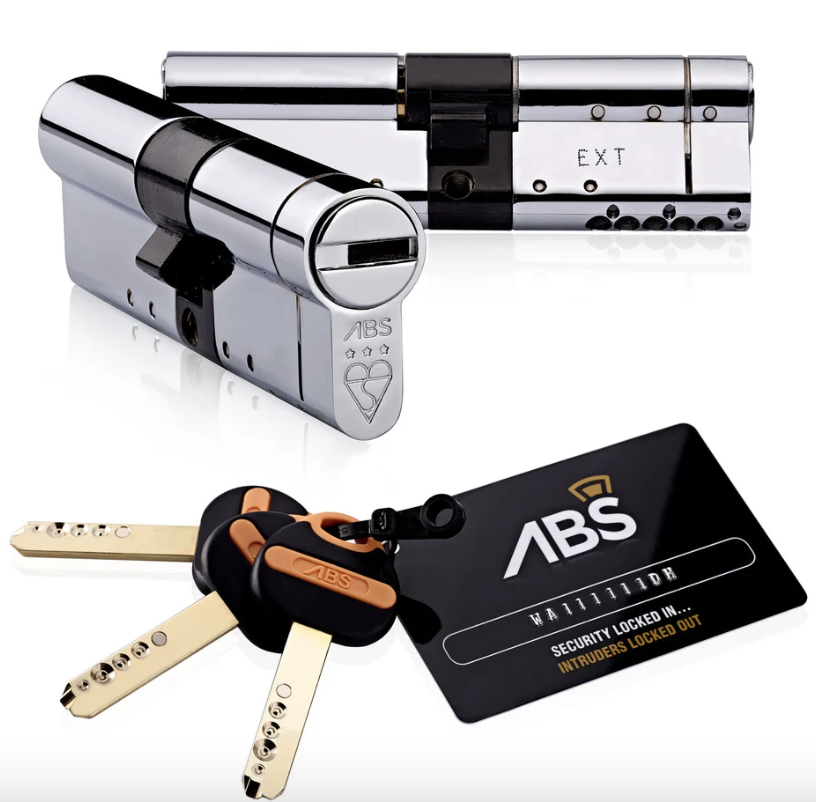
Most UK external doors — particularly uPVC and composite doors — rely on euro cylinder locking mechanisms.
Regardless of whether a lock is “smart,” the physical cylinder and internal components are still responsible for resisting forced entry.
Common burglary techniques in the UK target the cylinder itself using methods such as:
- Lock snapping
- Drilling
- Bumping
- Manipulation
If the underlying mechanical system is outdated or poorly rated, adding smart functionality does not automatically improve resistance to these attacks.
In other words, digital convenience cannot compensate for weak physical hardware.
Why Physical Lock Standards Still Matter
In the UK, recognised standards such as TS007 and BS3621 exist specifically to ensure door locks can withstand modern attack methods.
High-security mechanical cylinders are engineered with features such as:
- Reinforced break sections
- Anti-snap protection
- Hardened anti-drill components
- Controlled failure design
These features are tested independently to meet recognised security benchmarks.
When reviewing door security, many homeowners explore professionally rated locking systems that align with current UK standards rather than relying solely on added technology.
Upgrading to properly rated front door locks ensures the most vulnerable access point in the property is strengthened at a structural level.
Are Smart Locks Less Secure?
Not necessarily.
Many smart locks use strong hardware internally. Some are built around high-security cylinders, while others are layered over existing locking systems.
The key issue is not whether a lock connects to Wi-Fi or Bluetooth — but whether the physical components meet modern resistance standards.
A smart lock installed over a weak cylinder remains vulnerable.
Conversely, a high-security mechanical cylinder can provide robust protection even without smart integration.
For UK homeowners, the strongest approach often combines:
- Verified physical security
- Proper door alignment
- Quality hardware
- Optional smart functionality layered on top
Insurance and Compliance Considerations
Another important factor is insurance.
Many UK home insurance policies specify that external doors must meet certain security standards. Locks that do not align with recognised British Standards may complicate claims in the event of a break-in.
This is why reviewing physical door security is just as important as upgrading digital systems.
Convenience features are valuable — but insurers assess structural resistance.
Smart Convenience vs Structural Strength
Smart locks improve usability. They can make daily life easier.
But when evaluating home protection, the core question remains:
How resistant is the door to forced entry?
Technology enhances control and monitoring. Mechanical strength determines whether entry can be forced in the first place.
For homeowners investing in smarter properties, ensuring that door security is built on properly rated, high-security locking systems provides a solid foundation for any connected setup.
A Balanced Approach to Modern Home Security
Home security doesn’t have to be a choice between traditional and digital.
The most resilient approach combines:
- Modern mechanical lock standards
- Strong door construction
- Smart monitoring where appropriate
- Regular hardware reviews
As smart homes continue to evolve, ensuring that the physical barrier protecting the property is up to date remains one of the most effective security decisions a homeowner can make.
Because at the end of the day, technology can alert you to a problem — but physical strength prevents it.