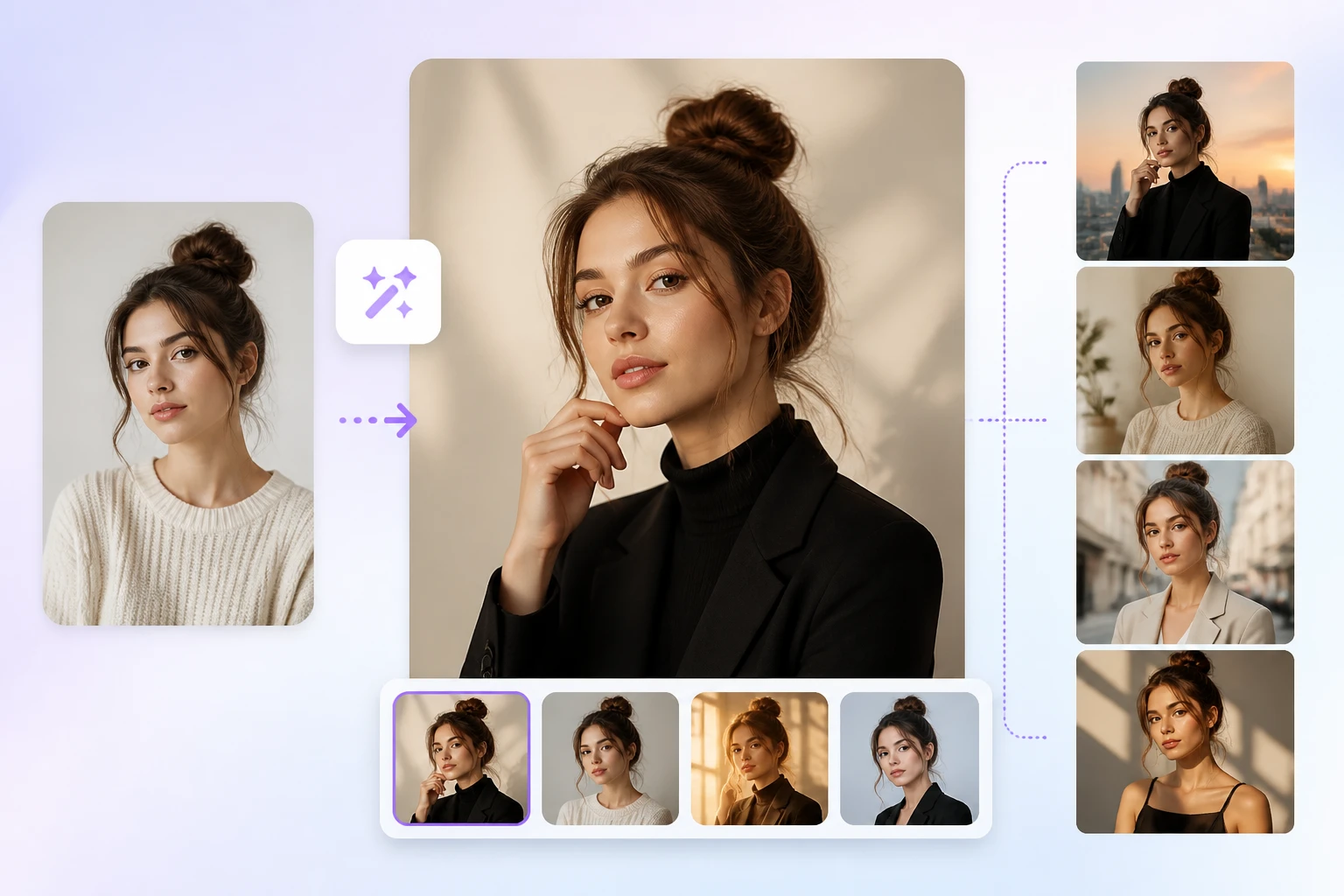

Creating visuals used to require a massive budget and a team of experts. You needed expensive cameras, lighting rigs, and years of training in complex software. Most creators spent more time fighting with tools than actually being creative. This barrier kept many talented people from sharing their work with the world. Now, things are different because artificial intelligence has simplified the entire production process.
You can now use smart tools to turn a simple concept into a finished product in minutes. For example, if you have a script but no camera crew, you can transform ideas into high-quality videos without leaving your desk. This shift allows you to focus on the story you want to tell rather than the technical settings of a camera. It levels the playing field for solo creators who want to compete with large media companies.
Small business owners also face the challenge of making their products look appealing online. You might have a great product but lack a professional photography space to showcase it. You can create professional studio-style images by using AI to handle the lighting and backgrounds for you. This approach saves you from renting a studio or hiring a photographer for every new item in your shop.
Real World Scenario 1 Social Media Growth
Social media platforms demand a constant stream of high-quality video content to keep an audience engaged. If you are a solo influencer, filming and editing multiple videos every day is exhausting. You have to worry about lighting, sound quality, and the perfect transition between scenes. Many creators find themselves burnt out after just a few months of trying to keep up with the algorithm.
AI tools solve this by automating the visual generation process. You can input a few sentences about your topic, and the software generates the clips for you. You do not need to spend hours scouting locations or setting up tripods. This allows you to post more frequently, which is the fastest way to grow your following. You can maintain a consistent look and feel across all your posts without needing a full production team.
The speed of AI also means you can react to trends faster. If a new topic starts trending, you can produce a relevant video in ten minutes rather than ten hours. This agility is what separates successful creators from those who struggle to stay relevant. You spend your energy on the strategy and the message while the software handles the pixels and the frames.
Real World Scenario 2 E-commerce Branding
Online shoppers make decisions based on how a product looks in photos. If your images look dark, blurry, or messy, customers will not trust your brand. Professional photography is one of the biggest expenses for new e-commerce businesses. You often have to ship your products to a photographer and wait weeks for the final edits to come back.
Using AI for product photos changes this entire workflow. You can take a basic photo with your phone and let the software transform it into something that looks like it belongs in a high-end magazine. The AI can remove distracting backgrounds and replace them with clean, minimalist settings. It can also adjust the shadows and highlights to make the product pop.
This capability allows you to test new products quickly. You can see how a product looks in different environments without actually going there. You might want to see your water bottle on a mountain top or a kitchen counter. AI lets you swap these scenes in seconds. This flexibility helps you create a cohesive brand identity that looks professional and trustworthy to every visitor on your site.
Real World Scenario 3 Educational Content
Teachers and online course creators need clear visuals to explain difficult concepts. A wall of text is boring and makes it hard for students to stay focused. However, creating custom diagrams or instructional graphics is time consuming. Many educators rely on generic stock photos that do not quite fit their specific lesson.
AI tools allow educators to generate custom visuals that match their curriculum perfectly. You can describe a specific scientific process or a historical event, and the AI creates an image that illustrates it. This makes the learning experience more immersive for the students. It also helps the educator stand out in a crowded market of online courses.
Visual aids created by AI are also easy to update. If a piece of information changes, you do not have to redraw the entire graphic. You can simply adjust your prompt and generate a new version. This keeps your educational materials fresh and accurate without requiring a degree in graphic design. It empowers teachers to be more creative with how they present information.
Benefits per Scenario
Every type of creator gains something specific from using these tools. The main advantage is the removal of technical barriers that used to stop people from starting.
| Category | Social Media Influencers | E-commerce Owners | Online Educators |
| Primary Benefit | Content Volume | Brand Trust | Student Engagement |
| Time Saved | Hours per video | Weeks of waiting | Days of design work |
| Cost Impact | No camera gear needed | No studio rental fees | No stock photo costs |
| Main Goal | Viral reach | Increased sales | Better learning outcomes |
For influencers, the benefit is all about scale. You can produce ten times more content than you could manually. This leads to more views and more opportunities for brand deals. You are no longer limited by how many hours you can stand in front of a camera.
For business owners, the benefit is professional appearance. You can compete with big brands that have huge marketing budgets. Your website will look polished and reliable, which directly leads to higher conversion rates. You keep more of your profits because you are not spending them on expensive photo shoots.
For educators, the benefit is clarity. You can turn abstract ideas into concrete visuals that help people learn faster. This improves the quality of your courses and leads to better reviews from your students. You become a better teacher because you have better tools to communicate your ideas.
Practical Workflow for AI Content
Building a professional visual presence with AI follows a simple four step process. You do not need to be a tech expert to master this workflow.
First, you start with the concept. You define what you want to achieve and who your audience is. You write down the core message or the specific product features you want to highlight. This serves as the foundation for everything the AI will generate.
Second, you use prompts to guide the AI. You describe the scene, the lighting, and the mood you want to create. You might tell the AI to use soft morning light or a vibrant neon aesthetic. The more specific you are, the better the results will be. You can experiment with different descriptions until you get the exact look you want.
Third, you refine the output. AI is powerful, but it often needs a human touch to make it perfect. You might crop the image, adjust the colors slightly, or add your brand logo. This step ensures that the content feels personal and unique to your brand rather than looking like a generic AI generation.
Fourth, you distribute the content across your channels. Because you saved so much time on production, you can spend more time engaging with your audience. You can respond to comments, analyze your performance data, and plan your next move. This workflow turns you from a manual laborer into a creative director.
Conclusion
The way we create visual content has changed forever. You no longer need a massive budget or years of technical training to look like a pro. AI tools have democratized the creative process, making it possible for anyone with a good idea to produce high-quality work. Whether you are building a social media following, launching an online store, or teaching a class, these tools give you the power to succeed.
By using AI to handle the repetitive and technical parts of design, you free up your mind for bigger things. You can focus on your strategy and your connection with your audience. The creators who embrace these tools now will be the ones who lead the way in the future. You have the ability to build a professional brand from your laptop, and there has never been a better time to start.