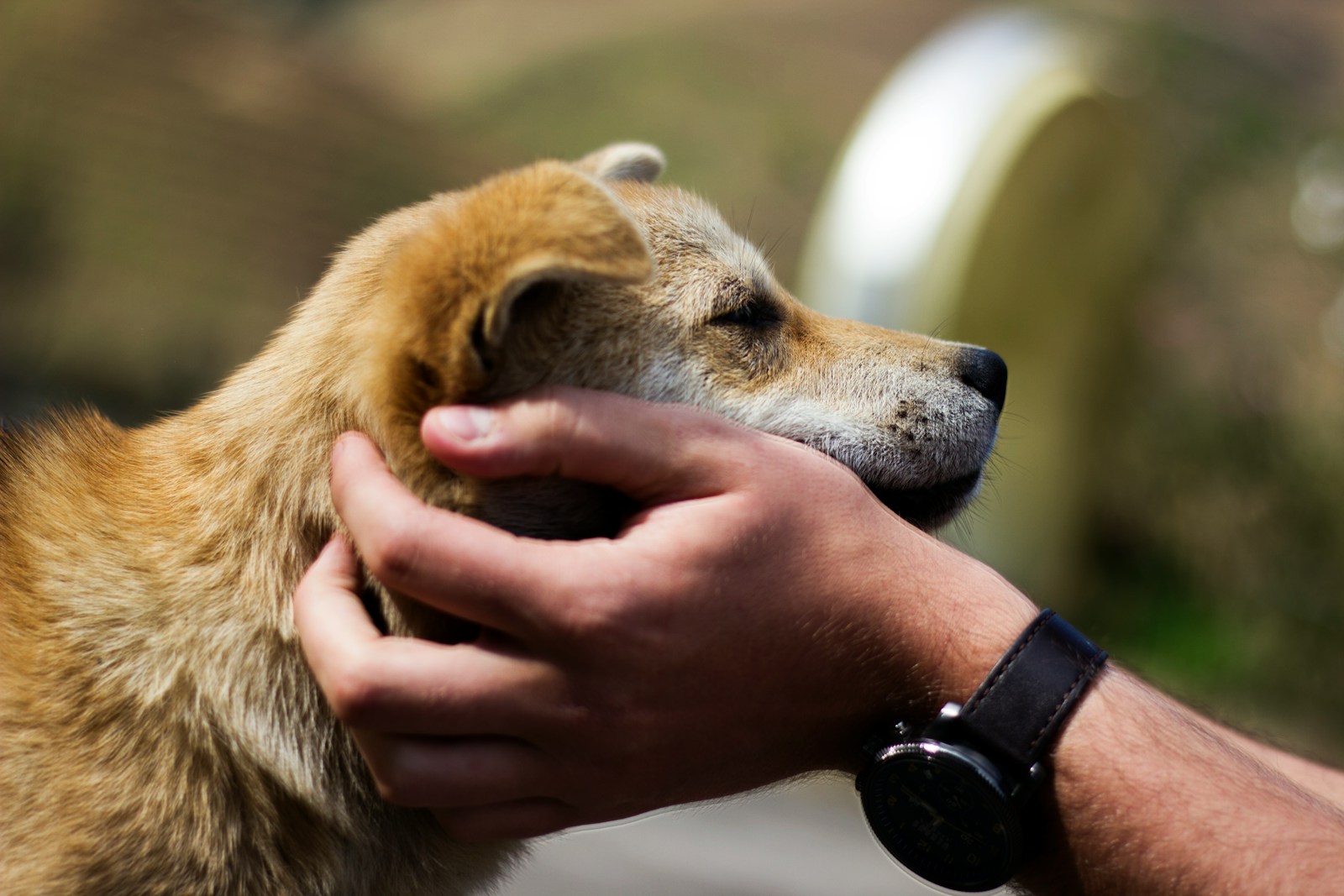

In Summary: Zendogtech com represents a specialized digital ecosystem dedicated to integrating biometric wearable data with canine behavioral health. It provides pet owners and professionals with the analytical tools needed to monitor physiological markers, ensuring proactive veterinary care through real-time data interpretation.
Before we dive into the technical nuances, I want to highlight the core value of this exploration. We are looking at how cloud-integrated hardware is shifting the paradigm from reactive to proactive pet care. You will gain insights into the specific biometrics that predict illness, the hardware standards for canine ergonomics, and how to interpret the data streams coming off your pet’s collar to potentially extend their lifespan.
Decoding the Ecosystem of Zendogtech Com
In my years of analyzing the intersection of hardware and animal science, I’ve found that the biggest hurdle for pet owners isn’t the lack of data, but the lack of context. Zendogtech com serves as the bridge between raw electrical signals and actionable health insights. When we talk about a “connected dog,” we aren’t just talking about GPS tracking to find a lost pup in the woods; we are discussing the continuous monitoring of resting heart rate (RHR) and heart rate variability (HRV).
These metrics are the “gold standard” for assessing stress and autonomic nervous system balance. For instance, a sudden drop in HRV over a 48-hour period often precedes clinical symptoms of infection or cardiac distress. By utilizing a platform that centralizes these data points, we move away from guesswork and toward evidence-based husbandry.
The Essential Components of Modern Pet Biometrics
To understand how these platforms function, we need to break down the hardware and software layers. It isn’t enough to simply strap a sensor to a harness; the sensor must be calibrated for the unique fur density and skin impedance of different breeds.
-
Photoplethysmography (PPG) Sensors: These use light to measure blood flow volume. In the canine world, these are often placed on the ear or the underside of the tail where fur is thinnest.
-
3-Axis Accelerometers: These track movement patterns, allowing the software to distinguish between a scratch, a walk, and a seizure.
-
Thermistor Arrays: Monitoring ambient temperature versus skin temperature to prevent heatstroke in working breeds.
-
Cloud Analysis Engines: This is where the heavy lifting happens. The raw data is sent to servers that compare your dog’s metrics against breed-specific baselines.
Why Data Integration Matters at Zendogtech Com
I often see pet owners overwhelmed by “gadget fatigue.” They have a smart bowl, a smart collar, and a smart camera, but none of these devices talk to each other. The primary goal of a sophisticated hub like zendogtech com is interoperability. When your dog’s activity levels drop simultaneously with an increase in water consumption (tracked via a smart bowl), the system can flag potential issues like diabetes or kidney dysfunction long before a physical exam might catch them.
According to a study published by the Journal of Veterinary Behavior, the use of wearable technology in dogs has shown a significant correlation between sleep fragmentation and chronic pain levels. This data-driven approach allows us to advocate for our animals in a way that was previously impossible.
Practical Steps to Implementing Tech-Driven Care
If you are looking to transition your pet’s routine into a more data-centric model, I recommend following a structured rollout. Jumping in all at once can lead to “alert fatigue” where you begin to ignore the notifications.
-
Establish a Baseline: Spend the first 14 days simply collecting data without making changes. You need to know what “normal” looks like for your specific dog.
-
Monitor Sleep Cycles: Focus on the quality of REM sleep. Dogs, like humans, require deep sleep for cognitive function and immune health.
-
Review Weekly Trends: Don’t obsess over hour-by-hour fluctuations. Look for the “downward trend” in activity over a week to spot emerging health issues.
-
Coordinate with your Vet: Take the exported PDF reports from your dashboard to your annual check-up.
Comparing Wearable Tech for Different Lifestyles
Not every dog needs a high-fidelity biometric sensor. A couch-dwelling senior Pug has different needs than a Belgian Malinois doing Schutzhund training.
| Feature | Companion Pet | Working/Athletic Dog | Senior/Chronic Care |
| GPS Tracking | Essential | Critical | Optional |
| Heart Rate Monitoring | Moderate | High | Critical |
| Activity Scoring | High | High | Moderate |
| Sleep Quality Analytics | Moderate | Moderate | High |
| Heat Stress Alerts | Low | Critical | High |
Common Mistakes and How to Avoid Them
I have seen many well-intentioned owners misinterpret the data provided by platforms. One of the most common errors is equating “low activity” with “laziness.” In reality, a sudden drop in activity can be a clinical sign of joint pain or lethargy.
-
Mistake: Over-tightening the collar to get a better pulse reading.
-
Solution: Ensure you can fit two fingers between the collar and the neck; use conductive gel if the sensor is struggling with thick fur.
-
-
Mistake: Ignoring the “Low Battery” warning.
-
Solution: Data gaps are the enemy of accuracy. Set a recurring charging schedule during the dog’s supervised “naked” time.
-
-
Mistake: Comparing your dog to a “Global Average.”
-
Solution: Every dog is an individual. A 10-year-old Lab’s activity should never be compared to a 2-year-old Border Collie’s metrics.
-
The Future of Remote Monitoring
We are entering an era where tele-triage is becoming a reality. Platforms like zendogtech com are beginning to incorporate AI-driven predictive modeling. Research from the American Veterinary Medical Association (AVMA) suggests that telehealth, supported by wearable data, can significantly reduce the stress levels of both pets and owners by eliminating unnecessary clinic visits.
Imagine a world where your veterinarian receives an automated alert because your dog’s respiration rate increased during sleep, a classic early sign of congestive heart failure. This isn’t science fiction; it is the current trajectory of the industry.
Pros and Cons of Constant Monitoring
While I am a staunch advocate for technology, it is important to maintain a balanced perspective.
Pros
-
Early detection of silent killers like heart disease or internal inflammation.
-
Peace of mind for owners of dogs with separation anxiety or epilepsy.
-
Objective data for weight management programs.
-
Enhanced safety through high-precision GPS geofencing.
Cons
-
The initial cost of high-quality hardware can be significant.
-
Potential for “cyberchondria” where owners over-analyze every minor spike in data.
-
Dependency on Wi-Fi or cellular networks for real-time alerts.
FAQ
How accurate are the calorie burn estimates on these platforms?
Calorie algorithms are generally based on metabolic equivalents (METs) for dogs. While they are excellent for tracking trends (e.g., burning 10% more today than yesterday), they should be used as a guide rather than an absolute scientific measurement. Always consult your vet before making drastic diet changes.
Can the hardware at zendogtech com withstand heavy swimming?
Most high-end canine wearables are rated at IP68, meaning they can be submerged in water. However, I always advise checking the specific hardware rating, as salt water can be more corrosive than fresh water and may require rinsing after a beach trip.
Does constant Bluetooth or Wi-Fi connectivity pose a risk to my dog?
Current research indicates that the low-energy Bluetooth (BLE) used in these devices emits significantly less radiation than a standard smartphone. The benefits of early disease detection typically far outweigh the theoretical risks of low-level electromagnetic exposure.
Will this replace my regular veterinary visits?
Absolutely not. Think of this technology as a “smoke detector.” It can tell you there is a problem, but you still need a professional firefighter—your veterinarian—to put the fire out.
How do I handle data privacy for my pet’s information?
Most reputable platforms anonymize data for research purposes. I recommend reviewing the privacy settings to ensure your location data is encrypted and only shared with the individuals you authorize, such as your family or vet.
Final Insights for the Modern Pet Owner
The evolution of pet care is moving away from the “wait and see” approach. By leveraging the tools discussed, we are finally giving our dogs a digital voice. Whether you are managing a chronic condition or simply want to optimize your puppy’s growth, the data provided by a dedicated hub like zendogtech com is an invaluable asset.
The most successful pet owners I work with are those who view technology as a partner, not a replacement. Use the data to ask better questions, to stay curious about your dog’s behavior, and to ensure that every tail wag is backed by a healthy heart and a sound mind. Monitoring is more than just numbers on a screen; it is a commitment to a longer, healthier life for our most loyal companions.