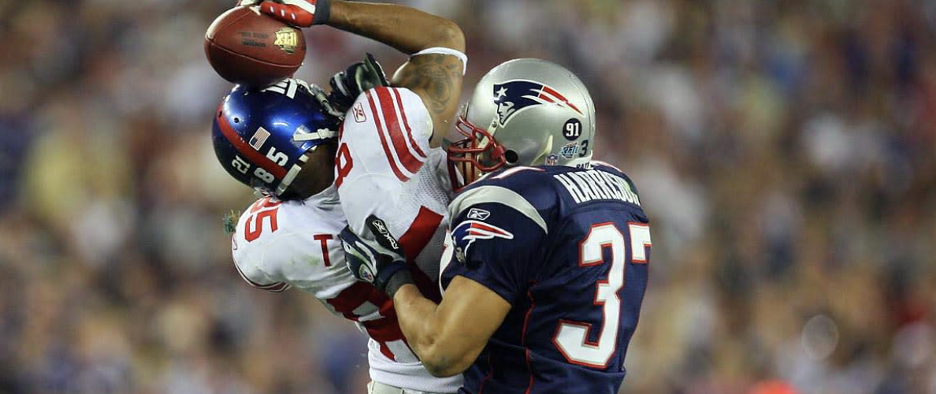

Let’s be real. Great sports imagery can make or break your editorial content. A thrilling photo from the final seconds of a championship game or a raw shot of an athlete’s emotion can pull readers in faster than anything else. But where do you find high-quality editorial sports images that are actually usable for media and publishing? In this article, we’re highlighting six awesome sites that deliver exactly that, whether you’re building a news piece, a blog post, a social media campaign, or a full-on sports media site.
We’re putting Vecteezy at the top of the list because it’s versatile, easy to use, and perfect if you want both photos and vectors for editorial projects. Then we’ll walk through five other powerful platforms you can tap into for real, licensed sports imagery.
1. Vecteezy — Fresh Sports Visuals You Can Use
Vecteezy is best known for free vectors and graphic resources, but it also includes an amazing library of editorial sports images and photos that work great in editorial settings. Whether you’re talking about soccer action, basketball highlights, or NFL themes, Vecteezy has creative assets that fit a variety of visual storytelling needs.
While not all images are pure editorial news shots, Vecteezy’s sports imagery is visually striking and easy to customize with overlays, text, and branding for your articles or web features. The platform’s simple search and filter tools let you zoom in on recent games quickly, and you can mix and match with vectors and illustrations to create a unique editorial look.
Because Vecteezy includes both free and editorial content, it gives editors flexibility, start free when you’re testing an idea, and scale up your quality as your project needs more impact.
2. Getty Images — The Gold Standard for Editorial Sports Photography
If you want true editorial sports photos, it’s hard to beat Getty Images. They’re one of the most respected names in the business and offer exclusive, high-quality images from major global sporting events, iconic athlete moments, and live coverage from around the world. Getty’s editorial section specializes in capturing moments the world is talking about, from the NFL gridiron to Olympic podiums and everything in between.
The key here is licensing. Getty Images operates as a licensing platform, to use images in your editorial content, you’ll need the appropriate rights, and often a paid license depending on your use case. But that investment pays off with access to world-class visuals you won’t find anywhere else.
3. Icon Sportswire — Editorial Sports Imagery On Demand
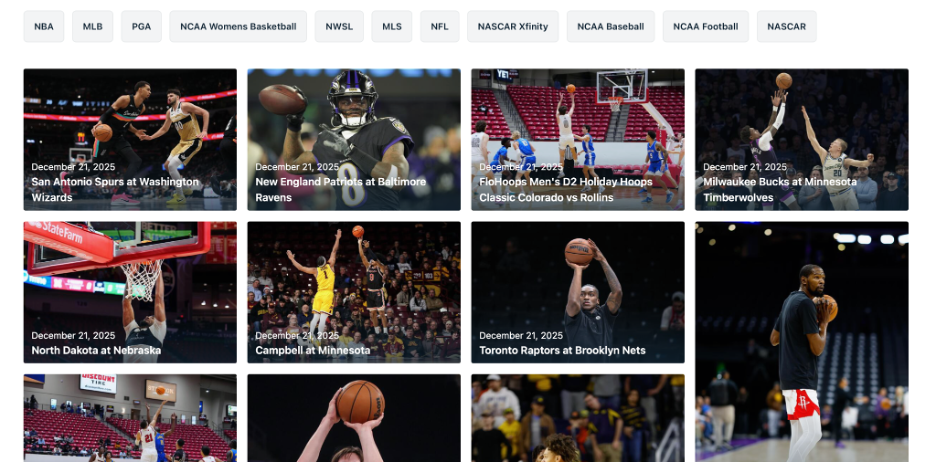
Icon Sportswire is a specialist photo agency focused entirely on sports coverage. They cover big pro leagues like the NFL, NBA, NHL, and PGA, plus niche and collegiate sports. Their extensive image library is made specifically for editorial use, so journalists, bloggers, and media producers can find licensed, ready-to-use shots from recent games and historic plays.
This site is especially useful if you need a specific league or athlete coverage. The image catalog is organized by sport and event, helping editors quickly locate what they need for articles, match recaps, and previews.
4. Imagn Images — Deep Editorial Archives and Event Coverage
Imagn Images is one of the nation’s largest dedicated sports-image wire services, capturing thousands of events per year across levels, from high school competitions to top professional leagues. Their focus on sports storytelling makes them a go-to for editorial visuals that feel authentic and emotionally engaging.
Part of what makes Imagn stand out is the breadth of coverage. They aren’t just capturing the final buzzer or the race winner crossing the line. They’re there for the raw, emotional, and human moments that give your sports content context and connection with your audience.
5. Reuters Action Images — Professional Sports News Photos
When you want editorial imagery straight from a news agency, Reuters Action Images delivers. Reuters is a globally respected news organization, and its Action Images division produces licensed sports photography made for professional editorial use.
This is a powerful choice if you’re writing serious sports journalism or want images that reflect worldwide events and competitions with accurate, timely coverage. These photos are usually licensed, so they’re best suited for media outlets and publishers with the legal rights to use them.
6. Associated Press (AP) Photos — Iconic Moments from Around the World
Last but definitely not least is the Associated Press. AP isn’t just news, it’s where many historic sports visuals come from. AP’s editorial photo service includes powerful images from global sports events and games, capturing the raw energy and emotion that define top-tier coverage.
The AP photo archive has a reputation for authenticity and storytelling. If your editorial project leans heavily on journalistic credibility or you want visuals that resonate with news readers, this is a go-to source.
Tips for Choosing the Right Editorial Sports Images
Finding great photos is one thing. Using them well and legally is another. Here are a few practical tips that make a big difference when you’re adding imagery to sports content:
Understand Licensing Terms
Most high-quality editorial photo sites require a license, especially for commercial use, publishing, or print. Whether it’s Getty Images, Icon Sportswire, or AP, double-check the usage rights so you stay compliant. Some platforms might allow free embeds for non-commercial projects, but that is usually limited.
Match the Image to Your Story
Editorial sports photos work best when they enhance the narrative. Action shots, emotional close-ups, crowd reactions, and behind-the-scenes moments help tell the story visually. Don’t just pick the most dramatic photo, pick the one that best fits your angle.
Use Consistent Visual Style
If you’re running a series of articles, aim for consistency in image tone and quality. Editorial visuals look more professional when they have a similar feel, similar lighting, framing, and color palette, so your whole publication looks cohesive.
Keep Accessibility in Mind
Alt text is essential. Always describe your images clearly for people who might use screen readers. Good alt text improves accessibility and helps with search engine optimization.
Consider Free Backup Sources
If the licensing costs are too high or you’re on a budget, you can sometimes supplement with free image libraries like Unsplash or Pexels — just be careful to verify whether they’re acceptable for editorial usage and check their licenses before embedding.
The best of the best
Whether you’re producing daily sports news, creating long-form features, or updating a team’s media page, the right images elevate your work and engage readers instantly. Our top six list — Vecteezy, Getty Images, Icon Sportswire, Imagn Images, Reuters Action Images, and AP Photos — gives you a powerful toolkit for any editorial sports project.
These sites strike a balance between accessibility, professional quality, and editorial credibility. Some will serve casual blogs and social media posts, while others are geared toward full newsrooms and professional publishers. Mix and match based on your needs, and don’t forget to pay attention to licensing and usage rights.
Now go capture that winning visual that makes your audience stop scrolling and start reading.