
Modern gaming extends well beyond the game itself. Serious players increasingly rely on a toolkit of supporting apps — for communication, performance tracking, and managing purchases like when they buy game currency to stay competitive. Whether you are a casual mobile gamer or a dedicated competitive player, having the right apps installed can meaningfully improve your overall experience, cutting down on the small frictions that otherwise eat into actual playtime. This guide covers the categories of tools worth having, along with practical recommendations for each and guidance on how to choose between competing options.
Why App Ecosystems Matter for Gamers
Gaming today is inherently connected — to communities, marketplaces, and performance data. Players who build a solid app ecosystem around their gaming habits tend to have smoother, more efficient experiences than those relying solely on the game client itself. This includes everything from voice communication during team play to tracking progress across multiple titles, and managing in-game economies without switching between browser tabs constantly or losing track of where a purchase or trade stands.
For competitive players especially, the right combination of apps can save significant time and reduce friction around routine tasks like coordinating with teammates or managing currency purchases before a tournament, freeing up more mental energy for the actual gameplay decisions that matter most.
Categories of Apps Every Gamer Should Consider
Building an effective gaming toolkit comes down to covering a few essential categories rather than downloading every app available, which tends to create clutter rather than genuine improvement.
-
Communication and Team Coordination Apps
Voice and text communication apps remain essential for team-based games, allowing real-time strategy discussion without added latency. These apps have become as fundamental to competitive play as the games themselves, and most serious gaming groups settle on one primary platform to avoid fragmenting communication across multiple tools.
-
Performance Tracking and Analytics Apps
Apps that track win rates, in-game statistics, and progression trends help players identify areas for improvement systematically rather than relying on gut feeling alone. Over time, this data becomes genuinely useful for spotting patterns that would otherwise go unnoticed session to session.
-
Marketplace and Purchase Management Tools
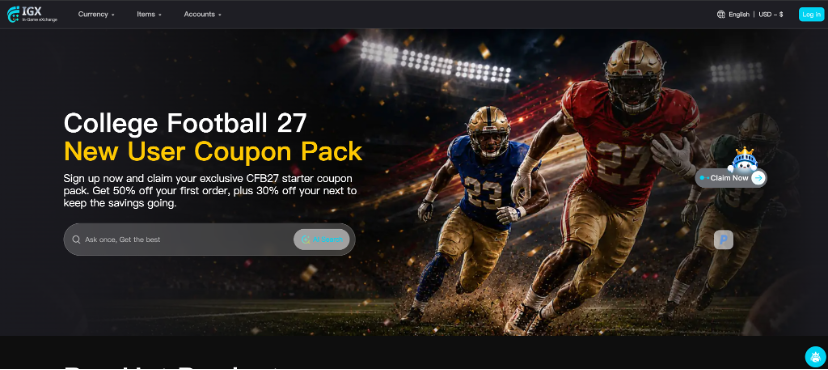
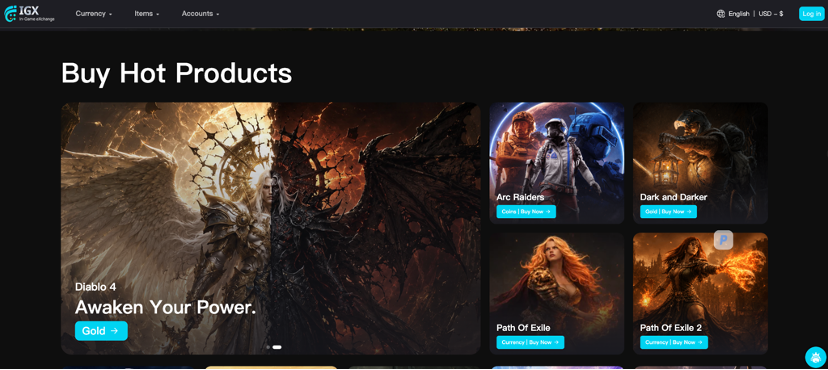
For players who regularly purchase in-game currency or items, having quick access to a reliable marketplace matters. Platforms like IGX.gg offer streamlined mobile-friendly experiences, making it easy to manage purchases without disrupting gameplay sessions or requiring a switch to a desktop browser mid-session.
How to Choose the Right Apps for Your Needs
Not every gamer needs the same toolkit. Casual players might prioritize simplicity — a single communication app and perhaps a progress tracker — while competitive players often build a more extensive setup involving performance analytics, dedicated marketplace apps, and specialized tools for their specific game genre, layering additional utilities as their involvement in a title deepens.
The key is avoiding app overload. Installing too many overlapping tools often creates more friction than it solves, so it is worth periodically auditing your gaming app collection and removing anything redundant or rarely used, keeping only the tools that genuinely earn their place on your device.
Security Considerations When Choosing Gaming Apps
Not all gaming-adjacent apps are created equal from a security standpoint. Before installing any app that requests account access or payment information, verify its legitimacy through official app store reviews and developer transparency. This is particularly important for marketplace apps or browser extensions claiming to offer currency deals, since this category unfortunately attracts a disproportionate number of scam attempts targeting exactly this kind of app permission request.
Sticking to well-reviewed, established platforms — whether for communication, tracking, or purchases — significantly reduces risk compared to experimenting with unfamiliar or unverified tools that may prioritize data harvesting over genuine utility.
Keeping Your Toolkit Updated
App ecosystems are not a one-time setup. Games evolve, new titles enter your rotation, and previously essential tools sometimes become redundant as developers build similar functionality directly into game clients. Revisiting your app toolkit every few months — checking for updates, removing anything unused, and evaluating newer alternatives that may have emerged — keeps your setup genuinely useful rather than accumulating digital clutter that slows down your device without adding real value.
Building Habits Around Your App Toolkit
Having the right apps installed only helps if they actually get used consistently as part of your gaming routine. Many players download a promising analytics or marketplace app, use it once, and then forget about it entirely once the initial curiosity wears off. Building small habits around these tools — checking performance stats after every few sessions, or using a trusted marketplace app whenever a currency top-up is needed rather than searching for a new deal each time — turns a good toolkit from a one-time download into a genuinely useful part of your gaming routine.
This kind of consistency also compounds over time. A player who tracks performance data across months builds a much clearer picture of their improvement than one who checks sporadically, and a player who sticks with one trusted marketplace builds a purchase history that can translate into loyalty perks, faster support, or simply the confidence that comes from a proven track record with that platform.
Cross-Platform Syncing and Why It Matters
For gamers who play across multiple devices — a phone during commutes, a tablet at home, a PC for longer sessions — app choices that sync data consistently across platforms save considerable time compared to tools locked to a single device. Losing track of purchase history or performance stats simply because you switched devices is a common frustration that a bit of research before downloading can easily avoid. Prioritizing apps and marketplaces with reliable cross-device syncing, including purchase and order history, ensures your gaming toolkit stays useful no matter which device you happen to be using in the moment.
Final Thoughts
A well-curated app ecosystem can genuinely transform the gaming experience, from smoother team coordination to more efficient management of purchases and progress tracking. Rather than chasing every new app trend, focus on covering the essential categories — communication, analytics, and trusted marketplace access — with tools that have proven reliability. Taking this thoughtful approach to your gaming toolkit pays off in fewer disruptions, better coordination, and more time actually spent playing rather than troubleshooting avoidable issues that a little upfront planning could have prevented.