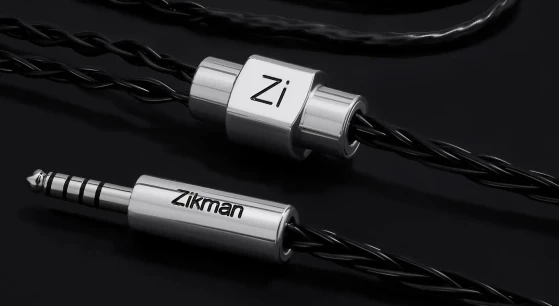

In the world of personal audio, attention is increasingly shifting not only to the earphones themselves but also to the cables. Enthusiasts want to experience the full potential of their IEMs, which is why the topic of iem cable replacement has become so widely discussed. What used to be a simple repair accessory is now a fully fledged tool for improving sound quality, comfort, and long-term durability.
Brands specializing in handcrafted solutions — such as Zikman Audio (https://zikman.audio/) — demonstrate how much impact a well-designed cable can have. Combining modern materials with precise engineering, they show that even a small component can noticeably change the presentation of music. It’s a blend of aesthetics, comfort, and predictable acoustic results appreciated by musicians and audiophiles alike.
A premium iem cable is defined by its conductor quality and construction. High-purity copper, silver, hybrid blends, and advanced braid geometries all influence signal speed, resistance, and the ability to preserve micro-details. Users choose such cables when the stock option no longer matches the capabilities of the earphones, and they want a noticeable upgrade without replacing the source device or the IEMs themselves.
Switching to an iem with upgrade cable solves several problems at once. First is ergonomics: softer sleeving, lower weight, and comfortable ear hooks that allow long listening sessions without fatigue. Second is connectivity: customizable terminations, balanced outputs, and compatibility with various sources. Third, improved contact quality ensures stable signal transmission and reduces long-term degradation.
For many audiophile setups, an audiophile iem cable is a natural next step. This is not a “magical” improvement but an engineering-based enhancement that reduces resistance, minimizes noise, and preserves clarity. Different cables do not alter the sound dramatically; instead, they refine specific aspects such as bass density, transient accuracy, midrange definition, and high-frequency air. That is why discussions around an upgrade cable for iem remain so active — this accessory allows listeners to tailor their sound precisely.
There are also situations where a replacement iem upgrade cable is simply necessary. Aging or damaged cables may introduce intermittent contact, unwanted distortion, or complete signal loss. In such cases, replacing the cable restores the earphones to their intended performance. But since the user is already making a change, many take the opportunity to choose a higher-grade model that delivers both reliability and improved sonic refinement.
The desire for better sound has made the upgrade cable iem a central part of modern portable audio culture. People compare conductor materials, strand structures, soldering methods, and braid styles. This growing interest encourages manufacturers like Zikman Audio to create products that not only replace stock cables but also form a cohesive ecosystem for dedicated listeners.
Choosing the right cable is ultimately about improving convenience and sonic expression. It does not rewrite the music; it removes barriers between the source and the ear. When paired with well-designed IEMs, a high-quality cable helps build a compact, reliable, and high-performance listening system that remains consistent at home, on the go, or on stage.
When choosing an upgrade, it is also important to consider how the cable interacts with the specific tuning of your IEMs. Some models respond better to low-resistance copper lines, offering a richer midrange and fuller body, while others benefit from silver-based conductors that emphasize clarity, speed, and spatial detail. Hybrid constructions combine these traits and allow users to fine-tune their listening experience without altering the core signature of the earphones. Another practical advantage of modern cables is longevity: high-quality insulation, stable connectors, and precise soldering ensure that the cable remains reliable even after years of daily use. For people who travel frequently, perform on stage, or simply listen for long hours, this reliability becomes a crucial part of the overall setup. Ultimately, an upgraded cable gives listeners not just better sound but also a sense of confidence in their equipment — an assurance that the system will deliver consistent performance any time they press play.