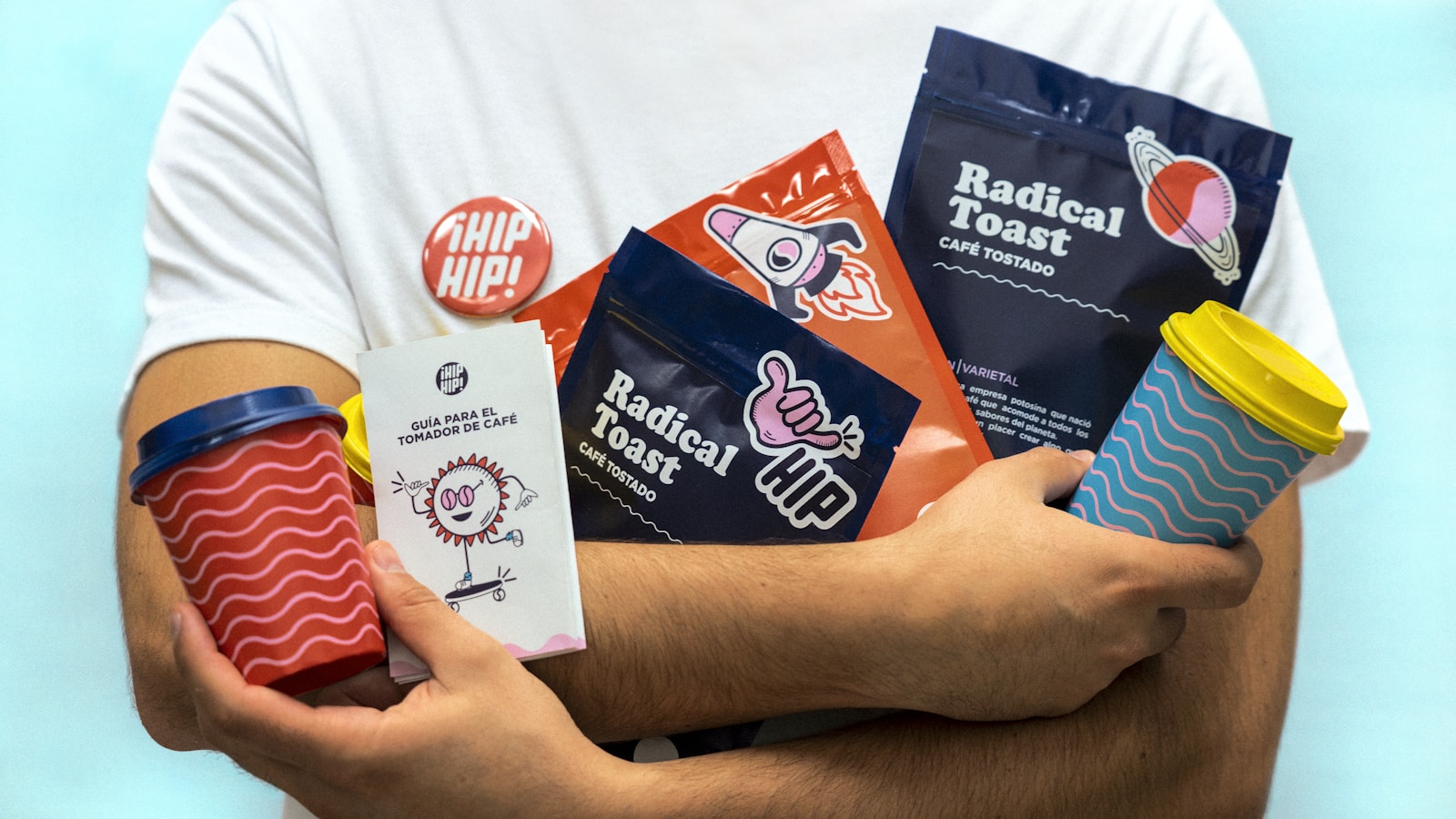

Most businesses now spend a large share of their time thinking about websites, apps, social media, and online customer journeys. That makes sense. Digital channels often create the first interaction people have with a brand.
But physical brand touchpoints still play an important role. They help turn a business from something people scroll past into something they remember. In a crowded market, small tangible details can make a company feel more real, more consistent, and more human.
For startups, local businesses, event teams, and growing brands, the challenge is not choosing between digital and physical. It is learning how the two can support each other.
Why physical details are easier to remember
People process physical experiences differently from digital ones. A website page may be useful and well designed, but it is often one of many similar screens viewed in a single day. A physical object, by contrast, has texture, weight, and presence.
That difference matters when a business wants to be remembered.
Think about a conference, a pop-up shop, or a product launch. Visitors may interact with a QR code, download an app, or follow a social account. Those actions are valuable. Yet the things they often remember later are the visible and tactile details: staff badges, packaging, signage, stickers, or wearable brand items.
These small elements create continuity. They help customers connect what they saw online with what they experienced in person.
Where physical branding fits in modern business
Physical branding is not limited to large retail companies. It can support many kinds of organizations, including software teams, creators, agencies, and service businesses.
Here are a few common examples:
– A startup uses branded items at a launch event to help attendees remember the company after the event ends.
– A distributed team sends welcome packs to new hires so the company culture feels more tangible.
– A creator brand adds well-designed inserts or branded packaging to strengthen direct customer relationships.
– A local business uses in-store visual details that match its online identity, creating a more consistent experience.
In each case, the goal is not to add clutter. It is to reinforce recognition and trust.
When physical materials reflect the same colors, tone, and identity customers see online, the brand feels more coherent.
Small items can carry a lot of meaning
Not every physical touchpoint has to be expensive or complicated. In fact, smaller items often work well because they are practical, easy to distribute, and likely to be kept.
Pins are a good example. They can be used by clubs, independent brands, event organizers, nonprofits, schools, and businesses that want a subtle but visible way to express identity. They can mark membership, celebrate milestones, or simply give people a wearable connection to a brand or message.
For teams exploring ideas for merchandise or event materials, custom pins can be one of the simpler formats to work with because they suit both small campaigns and larger rollouts without needing a complex setup.
The effectiveness of an item like this usually comes down to context. A pin handed out at a volunteer event feels different from one included in a product package or one worn by staff during a launch. The object itself may be small, but the meaning around it shapes how people respond.
Matching offline experience with digital identity
One of the most common branding mistakes is inconsistency between online and offline presentation. A company may have a polished website and a clear visual style online, but its printed materials, event displays, or team accessories may feel unrelated.
That gap can weaken recognition.
A stronger approach is to think of branding as a connected system. The same design choices that guide a mobile app or landing page can also shape packaging, signage, printed inserts, and event materials.
This does not mean every piece has to look identical. It means they should feel related.
For example, a brand that uses simple typography, muted colors, and clean illustrations online should reflect that same mood in its physical materials. A playful brand can do the same with brighter colors and more expressive design choices. Consistency helps people identify a brand quickly, even when the format changes.
Practical questions to ask before creating branded materials
Before ordering or producing any physical item, it helps to step back and ask a few basic questions.
First, where will this item be used?
An item for a trade event, internal team culture, direct-to-customer packaging, or community outreach may need a different design approach.
Second, what should people do with it?
Some items are purely visual. Others are meant to be worn, displayed, collected, or shared. The intended use affects both format and message.
Third, does it connect clearly with the brand?
If the design could belong to any company, it may not be doing much work. The strongest materials feel distinctive without being overdesigned.
Fourth, will it still make sense in a month or a year?
Trend-heavy designs can be fun, but timeless branding often has a longer useful life. This is especially important for items people may keep.
Making in-person moments more intentional
As more businesses build digital products and remote-first operations, in-person moments carry extra weight. They do not happen constantly, which makes them more memorable when they are done well.
That is why details matter at events, community gatherings, retail counters, and onboarding moments. A thoughtful physical item can signal care and preparation. It can also help people feel included.
This is especially useful for brands trying to build community rather than just awareness. When customers, members, or team participants wear or keep something connected to the brand, they become part of the story in a visible way.
That kind of participation is hard to create through screens alone.
Conclusion
Digital channels may drive discovery, communication, and growth, but physical touchpoints still help brands become memorable. They add texture to the customer experience and make abstract identities feel real.
For businesses thinking more carefully about how they appear across platforms, the most useful question is not whether physical branding still matters. It is how each touchpoint can support a stronger overall experience.
When online and offline branding work together, even small details can leave a lasting impression.