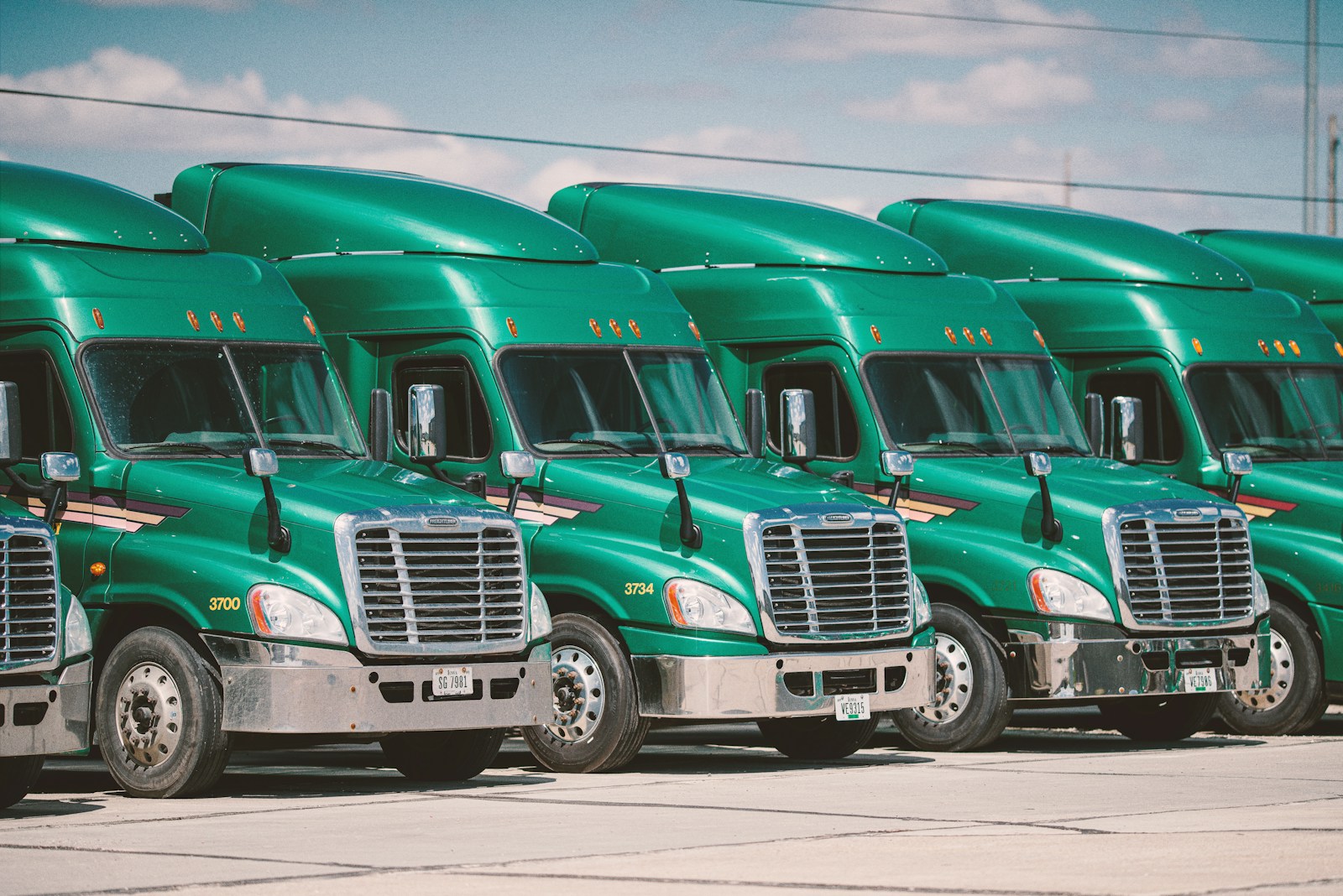

Running a business that relies on a fleet of vehicles is a constant balancing act. On any given day, you are juggling fuel price spikes, unexpected maintenance delays, driver safety concerns, and the relentless pressure to keep customers happy. If you are managing your operations using a mix of messy spreadsheets, whiteboards, and frantic phone calls, you already know how exhausting it is.
Fortunately, the industry has shifted toward highly intelligent, automated tools that handle the heavy lifting for you. Platforms like Fleetika.com are changing the game by bringing real-time tracking, predictive maintenance, and route optimization into a single, easy-to-use dashboard.
Whether you operate five delivery vans or five hundred long-haul trucks, modernizing your approach to fleet operations is no longer just a tech upgrade—it is the secret to protecting your profit margins.
Why Traditional Fleet Management is Costing You Money
For a long time, managing a fleet was a reactive job. A truck broke down, and you called a mechanic. A driver got lost, and you waited for them to figure it out. A customer called asking where their delivery was, and you had to call the driver to ask for an ETA.
This reactive model creates massive blind spots that drain your budget in three main areas:
-
Excessive Fuel Consumption: Unmonitored idling, aggressive driving, and poorly planned routes waste thousands of gallons of fuel every year.
-
Unscheduled Downtime: Waiting for a vehicle to break down before fixing it means paying for emergency repairs, towing, and dealing with a disabled vehicle that isn’t making you money.
-
Administrative Burnout: Spending hours tracking mileage, scheduling oil changes, and filing compliance paperwork manually keeps your team trapped in low-value tasks instead of growing the business.
Transitioning to automated management turns these blind spots into clear data, allowing you to fix issues before they impact your bottom line.
The Core Pillars of Modern Fleet Operations
To build a highly efficient fleet, you need to focus on four essential pillars. When these elements work together, your operations run smoothly, safely, and at a much lower cost.
1. Real-Time Telematics and GPS Tracking
Knowing exactly where your assets are at any given moment is the foundation of smart management. GPS tracking does far more than just plot a dot on a map. It provides real-time visibility into traffic delays, unauthorized vehicle use, and precise delivery windows. If a customer calls asking for an update, your dispatchers can give an exact arrival time instantly, drastically improving your customer service.
2. Predictive Maintenance Schedules
Adopting a proactive maintenance strategy is the easiest way to extend the lifespan of your vehicles. Instead of relying on drivers to remember when an oil change is due, automated systems track actual mileage and engine hours. They send alerts before a minor wear-and-tear issue turns into a catastrophic, expensive engine failure.
3. Driver Behavior Analytics
Your drivers are the face of your company, and how they behave on the road directly impacts your expenses. Aggressive braking, rapid acceleration, and speeding tear up your vehicles and spike your fuel bills. Telematics tools monitor these habits, allowing you to coach drivers constructively, lower your insurance premiums, and keep everyone on the road safer.
4. Smart Route Optimization
Simply picking the shortest distance between point A and point B isn’t enough anymore. True route optimization accounts for real-time traffic patterns, historical delivery data, time-of-day restrictions, and vehicle weight capacities. Optimizing your routes means your drivers spend less time sitting in traffic and more time completing stops.
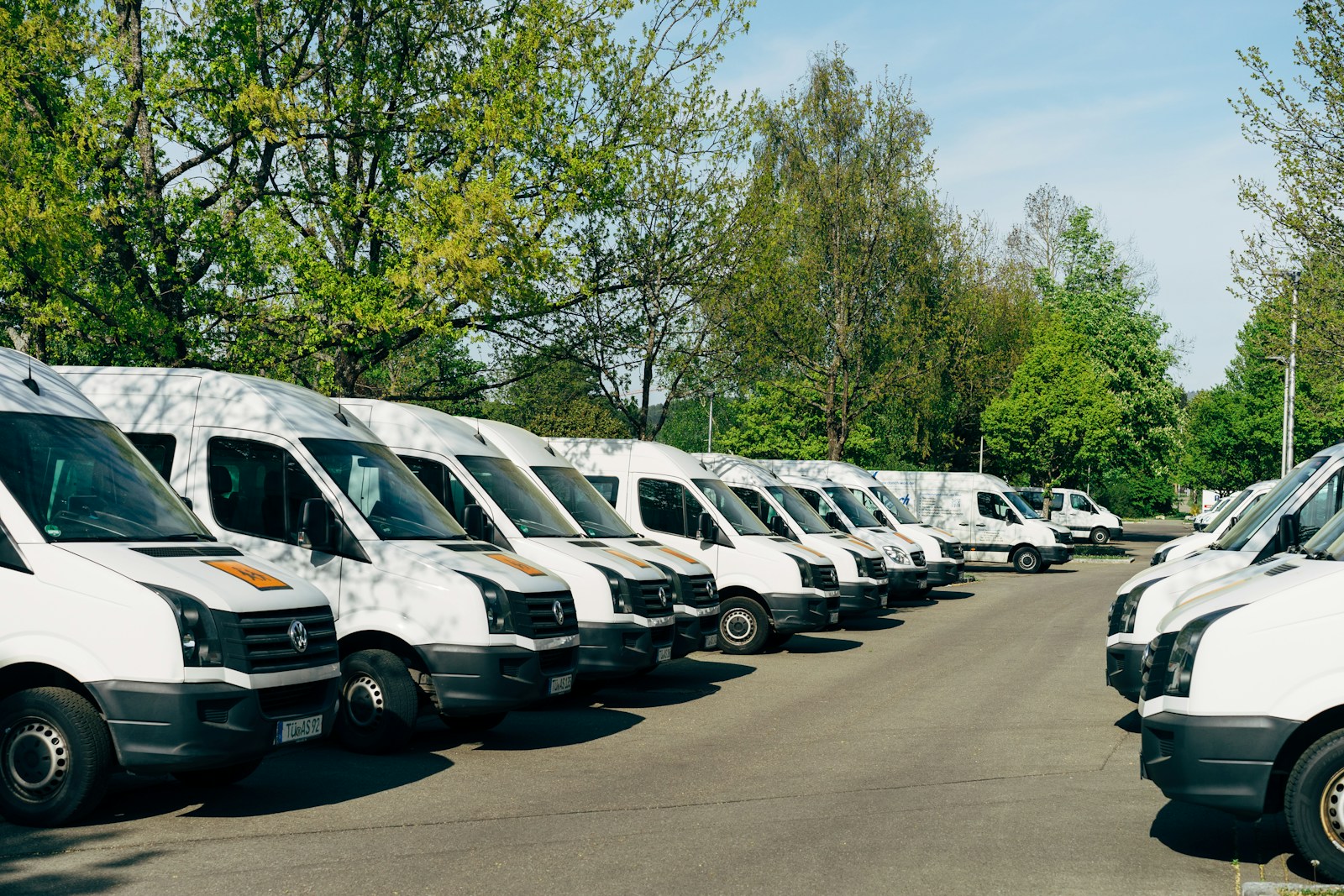
How Technology Reduces Your Daily Operating Costs
Let’s look at how putting these systems in place translates to direct financial savings for your business.
Dramatic Fuel Savings
Fuel is typically a fleet’s largest variable expense. By eliminating excessive engine idling (which can waste up to a half-gallon of fuel per hour) and optimizing daily routes, most businesses see an immediate drop in their fuel costs. Even a modest 5% reduction in fuel consumption across a mid-sized fleet adds up to thousands of extra dollars in profit by the end of the year.
Lower Insurance Premiums
Insurance companies love data and risk mitigation. When you can prove to your insurance provider that your vehicles are equipped with GPS tracking and that you actively monitor and coach drivers against unsafe behaviors, many providers will offer substantial discounts on your premiums. Furthermore, if a vehicle is ever stolen, real-time tracking increases the chances of a swift recovery, saving you from a total loss claim.
Maximized Vehicle Resale Value
Vehicles that are meticulously maintained according to a strict digital record hold their value far better than those with spotty histories. When it comes time to cycle out your old models and upgrade your fleet, having a transparent, verifiable maintenance log allows you to command top dollar on the secondary market.
Navigating Compliance and Safety Regulations
Staying compliant with local and federal transport regulations can feel like a full-time job. Between managing Hours of Service (HOS) tracking, Electronic Logging Device (ELD) mandates, and routine safety inspections, the paperwork pile can quickly become overwhelming.
Missing a compliance deadline or failing an inspection doesn’t just mean dealing with annoying paperwork—it results in heavy fines, operational pauses, and damage to your company’s reputation.
Modern fleet software automates this entire compliance puzzle. Drivers can log their hours seamlessly via mobile apps, vehicle inspection reports are digitized instantly, and fleet managers receive automated reminders well before registrations or permits expire. This keeps your business safe, audited, and entirely above board without requiring hours of manual data entry.
Choosing the Right Fleet Management Solution
Every business has unique needs, which means there is no one-size-fits-all software solution. When you are evaluating different platforms to find the right fit for your operation, keep these key factors in mind:
-
Ease of Use: If the software is overly complicated or confusing, your dispatchers and drivers won’t use it. Look for a clean, intuitive user interface that requires minimal training.
-
Scalability: Choose a platform that can easily grow alongside your business. You want software that makes it just as simple to manage fifty vehicles tomorrow as it does five vehicles today.
-
Mobile Accessibility: Your drivers and field technicians are rarely sitting at a desk. A robust mobile app is critical so your team can log updates, report maintenance issues, and view routes while on the go.
-
Customer Support: When a tracking unit goes offline or a dispatcher runs into a technical glitch, you cannot afford to wait days for an email response. Prioritize providers known for responsive, human customer service.
The Path Forward for Your Business
Upgrading how you manage your vehicles isn’t just about adopting new technology; it’s about changing how your business operates at its core. By replacing guesswork with real data, you gain complete control over your expenses, protect your drivers, and deliver a consistently excellent experience to your customers.
The initial step might feel daunting if you are used to paper logs and spreadsheets, but the return on investment is undeniable. Within just a few weeks of automating your tracking, maintenance, and routing, the time and money saved will make you wonder how you ever ran your business without it. Take a hard look at your current operational blind spots, find a platform that aligns with your goals, and start building a more efficient, profitable fleet today.