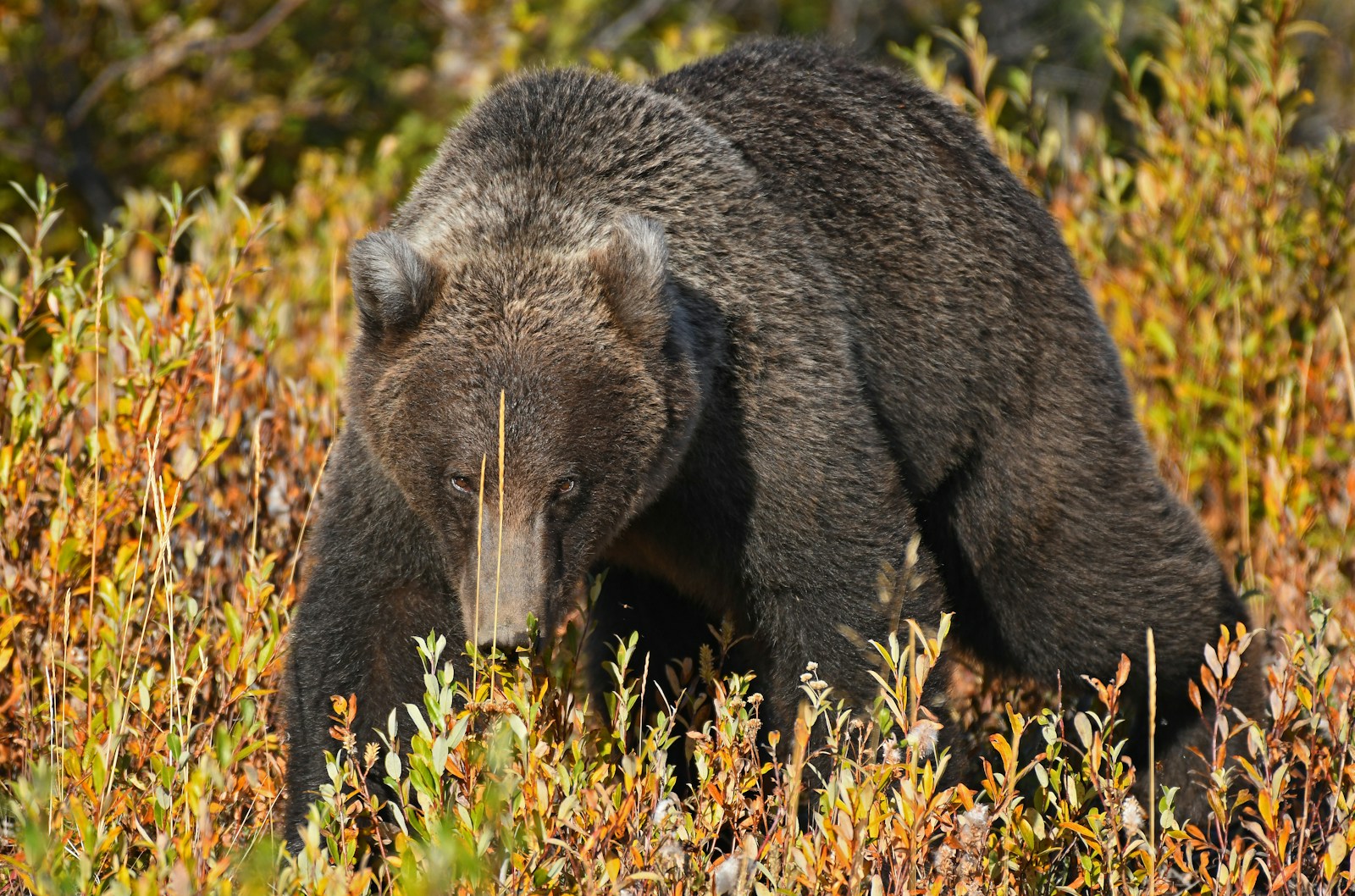

Introduction: What Is a Drop Bear?
The drop bear is a legendary Australian creature that has captured the imaginations—and fears—of tourists and locals alike. Described as a large, predatory version of the koala, the drop bear is said to leap from trees and attack unsuspecting passersby. While the drop bear is a complete fabrication, the myth is deeply rooted in Australian culture and serves as a classic example of local humor and folklore.
In this article, we’ll take a deep dive into the drop bear myth, explore its origins, examine how it became so widespread, and uncover the real reasons behind its enduring popularity.
The Origins of the Drop Bear Myth
Australia has no shortage of dangerous wildlife, from venomous snakes to massive crocodiles. So it’s no wonder the concept of a hidden, tree-dwelling predator caught on so easily. The drop bear legend is believed to have originated as a practical joke aimed at tourists and newcomers. By blending just enough truth—koalas do live in trees, after all—the myth gained traction quickly.
Early stories often described the drop bear as a carnivorous marsupial resembling a larger, more muscular koala with sharp claws and fangs. Unlike the real koala, which is largely sedentary and harmless, the drop bear was said to be stealthy, aggressive, and highly territorial.
Physical Description of the Drop Bear
In fictional accounts, the drop bear is often depicted as:
- Around the size of a leopard or large dog
- Covered in dense, grey or mottled fur
- Possessing sharp claws and fangs
- Known to camouflage among eucalyptus trees
- Capable of leaping long distances from branches onto its prey
This exaggerated physical description adds an element of believability, especially to those unfamiliar with Australian wildlife. While no such creature exists, these attributes are consistent across most retellings of the tale.
How the Drop Bear Became an Australian Cultural Icon
The drop bear isn’t just a spooky story—it has become part of Australian folklore, used to initiate outsiders into local humor. Over time, it transformed from a simple prank to a national inside joke. Australians often share drop bear warnings with tourists, especially those who appear particularly gullible or curious.
The myth has been perpetuated through various forms:
- Tour guides warning visitors to wear hats or smear Vegemite behind their ears to ward off attacks.
- Satirical news articles reporting on “sightings” or “scientific discoveries.”
- Merchandise featuring drop bear warnings or illustrations.
- Online forums where locals exchange outlandish “encounters.”
What started as a joke evolved into a shared cultural experience, strengthening national identity while also offering a bit of mischief.

Famous “Drop Bear” Sightings and Hoaxes
Despite being entirely fictitious, there have been several well-documented pranks and hoaxes involving drop bears:
- Australian Geographic’s Satirical Article: One of the most famous pieces of media about drop bears came from Australian Geographic, which published a spoof scientific article describing the creature in detail, complete with Latin name and habitat range.
- Military Drop Bear Patches: Australian soldiers have been known to wear novelty patches featuring drop bears, adding to the lore.
- Photoshop Hoaxes: Over the years, several manipulated photos have circulated online showing terrifying creatures ambushing hikers, often passed off as real evidence of the drop bear’s existence.
These hoaxes, though humorous, have reinforced the legend and kept the myth alive in the digital age.
Why Tourists Are the Primary Target
The drop bear myth serves a specific social function—it’s a playful way for Australians to tease tourists while also testing their gullibility. Many visitors to Australia arrive with preconceived notions of the country’s dangerous fauna. The idea of yet another, lesser-known predator fits seamlessly into this expectation.
Tourists unfamiliar with the unique humor of the region are more likely to believe outlandish stories, especially when they’re delivered in a serious tone. Some common tactics used to sell the myth include:
- Pointing out claw marks on trees
- Warning people not to walk under certain trees
- Telling elaborate stories about past attacks
It’s all in good fun, and most visitors eventually catch on—if not immediately, then after their first chuckle from a local.
The Science Behind the Drop Bear Myth
Interestingly, the drop bear myth has been so pervasive that it has even sparked interest in evolutionary comparisons. Some joke explanations claim the drop bear evolved from an ancient marsupial called Thylacoleo carnifex, a real prehistoric predator that lived in Australia thousands of years ago.
Thylacoleo, or the “marsupial lion,” was indeed a tree-climbing carnivore, capable of ambushing prey from above. While there’s no direct link to the drop bear, using scientific-sounding language lends the myth credibility and intrigue.
This blend of pseudo-science and humor is what makes the drop bear story so compelling and long-lasting.
Cultural Impact of the Drop Bear Myth
The drop bear has become more than just a funny story—it’s now a staple in Australian pop culture. It features in jokes, TV skits, books, and even role-playing games. Its inclusion in cultural references demonstrates how myths can transcend their original purpose and become enduring symbols.
Some notable cultural appearances include:
- Comic books and children’s stories with drop bear villains
- YouTube sketches depicting mock attacks
- University orientation programs that include drop bear “safety briefings”
These depictions further blur the line between joke and reality, especially for those encountering the legend for the first time.
How to “Protect” Yourself from a Drop Bear
Part of the fun in the drop bear myth is the array of ridiculous advice given to unsuspecting tourists. Some popular “drop bear repellents” include:
- Rubbing Vegemite behind the ears
- Wearing forks in your hair
- Speaking in an Australian accent
- Avoiding eucalyptus trees at night
- Wearing camouflage to blend in
Of course, none of these methods are real because the creature itself doesn’t exist. Still, the elaborate precautions are part of the joke, often delivered with a straight face to heighten the comedic effect.
Is the Drop Bear Dangerous?
Short answer: absolutely not—because it’s not real.
However, the drop bear has caused some emotional damage—mostly to the pride of tourists who fall for the tale. Once the prank is revealed, it often becomes a cherished travel story. Visitors share their experience of being duped by locals, and the drop bear gets passed along to a new generation of believers.
Drop Bear vs. Koala: Know the Difference
Because the drop bear is often described as a “killer koala,” it’s worth clarifying some key differences:
| Feature | Koala | Drop Bear (Mythical) |
|---|---|---|
| Size | Small, 9–14 kg | Large, up to 120 kg |
| Diet | Eucalyptus leaves | Carnivorous (allegedly) |
| Behavior | Docile, slow-moving | Aggressive, ambush predator |
| Habitat | Trees (mostly gum trees) | Trees (eucalyptus forests) |
| Real or Fake? | Real | Completely fictional |
Understanding the clear contrast helps reinforce that the drop bear is just a product of imagination and a great example of national satire.
Why the Drop Bear Myth Persists
Urban legends don’t survive without good reason, and the drop bear myth is no exception. Its continued popularity can be attributed to several factors:
- Entertainment value: It’s a fun, harmless joke that entertains both locals and tourists.
- Cultural bonding: Sharing the myth is a rite of passage for Australians and newcomers alike.
- National identity: The drop bear represents a uniquely Aussie form of dry humor and sarcasm.
- Digital age amplification: Memes, articles, and social media have kept the story alive globally.
The drop bear has moved beyond its roots and become a folklore phenomenon in its own right.
A Modern-Day Myth with a Bite
The drop bear story reflects a fascinating aspect of Australian culture: the ability to make fun of oneself while playfully tricking others. While some urban legends cause fear or paranoia, the drop bear is all about shared laughter and storytelling.
It also serves as a reminder of how myths, no matter how unbelievable, can take on a life of their own when supported by community and creativity.
Final Thoughts on the Drop Bear
Despite having no basis in reality, the drop bear has become an unforgettable part of Australian folklore. Whether you’ve fallen for the joke or shared it with others, it’s hard not to admire the creativity behind the myth. The drop bear may not lurk in the treetops waiting to pounce, but it lives on in stories, laughs, and cheeky grins across Australia.
So next time someone warns you about drop bears, remember: it’s probably a joke—but don’t stand under that tree just in case.