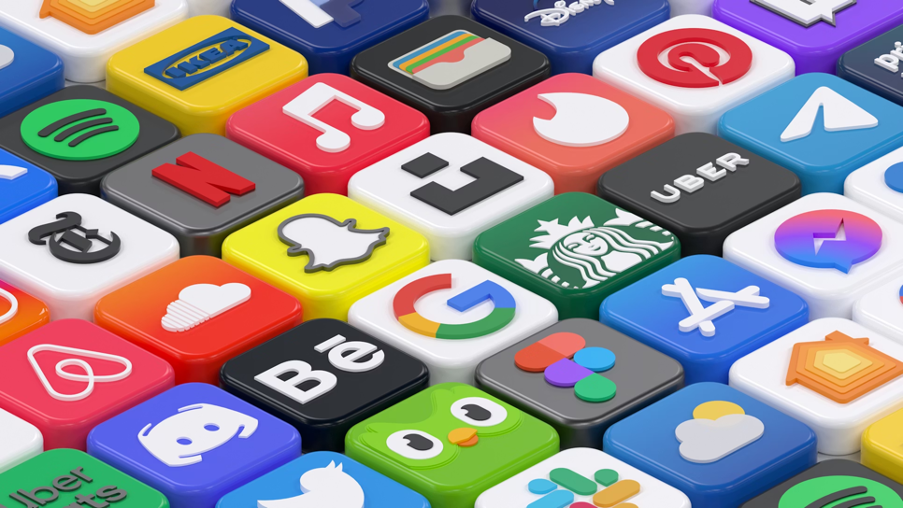

The app world loves making every download sound life-changing. In real life, many apps do the opposite. They distract, interrupt, and turn simple tasks into extra digital chores. A useful everyday app should not create more work. It should quietly make the day easier.
That is why the best tools are usually the least dramatic. On a phone already crowded with tabs, alerts, and random links like https://crorewin-site.com/ competing for attention, the most valuable apps are the ones that reduce repetition and make routine smoother. The real winners are not always the flashiest ones. They are the apps that help with remembering, planning, moving, storing, and finishing without constantly demanding attention.
What a Time-Saving App Actually Does
A truly useful app usually helps in one of three ways. It captures something quickly, cuts repeated steps, or makes the next action obvious. That sounds basic, but it rules out a surprising number of apps. If a tool needs endless setup or constant tweaking just to stay helpful, then it is probably not saving time.
The real question is simple: does the app solve a recurring problem? That is where the time savings become real. A calendar that prevents forgotten appointments, a map that removes travel guesswork, a notes app that catches tasks before they vanish, or a password manager that stops login chaos can do more good than any trendy “productivity revolution.”
Task Apps Work Best When They Feel Fast
A task app should be quick enough that using it feels easier than trying to remember everything mentally. The moment it becomes slower than memory, the system starts wobbling. The strongest task tools let a person type something fast, set a date if needed, and move on.
This matters because most wasted time does not disappear in dramatic chunks. It leaks out through missed reminders, forgotten errands, and small tasks floating around in the mind all day. Good task apps catch those fragments before they start multiplying.
Everyday apps that usually deserve a permanent spot
- Task apps that allow fast capture, reminders, and recurring items
- Calendar apps that keep appointments, calls, and deadlines visible
- Map apps that simplify routes, saved places, and travel timing
- Password managers that stop login problems from eating the day
The pattern is simple. These apps solve things that happen again and again. They earn their place because they reduce repetition, not because they look impressive for a week.
Calendar Apps Prevent Chaos Early
A calendar app saves time because it works earlier in the chain. Instead of fixing a missed appointment later, it prevents the mess from happening at all. That is a big difference. Planning tools are most useful when they stop confusion before it grows into a problem.
The strongest calendar apps do not need to be clever. They need to be clear. Good reminders, clean scheduling, and easy visibility across the week matter more than flashy design. A calendar should reduce back-and-forth messages, prevent overlaps, and help the day feel stable before it gets noisy.
Map Apps Save Time in a Quiet Way
Map apps are a perfect example of boring usefulness. They rarely feel exciting because people take them for granted. Yet they quietly save time every week. They reduce wrong turns, compare routes, and remove a surprising amount of hesitation.
That is what makes them good everyday tools. A useful app does not need to feel revolutionary. It only needs to help the day move with less friction. A map app that prevents twenty minutes of wandering is doing more practical good than many apps with bigger promises and weaker results.
Password Managers Save More Sanity Than Expected
Few things waste time faster than login problems. A password is wrong. A reset email does not arrive. A code expires. Suddenly a simple task is trapped inside a small maze of irritation. It is not dramatic, but it is exhausting.
That is why password managers are one of the most practical categories of time-saving apps. They reduce resets, keep access smoother, and remove one of the most repetitive digital annoyances from everyday life.
Signs an app is truly saving time
- It helps in under a minute
- It reduces repeated decisions
- It works reliably in daily life
- It needs very little maintenance
- It supports routine instead of interrupting it
Once an app fails those tests, the cracks show quickly. It becomes another thing to manage, another screen to check, another system to maintain.
Less Noise, More Help
The best everyday apps are not the ones that feel smartest on day one. They are the ones still making life easier a month later. A good task app reduces mental clutter. A strong calendar protects the schedule. A map app removes pointless friction. A password manager cuts out login nonsense.
That is the real difference. A time-saving app should make the day lighter, not busier. Anything else is just another icon pretending to help while quietly stealing attention.