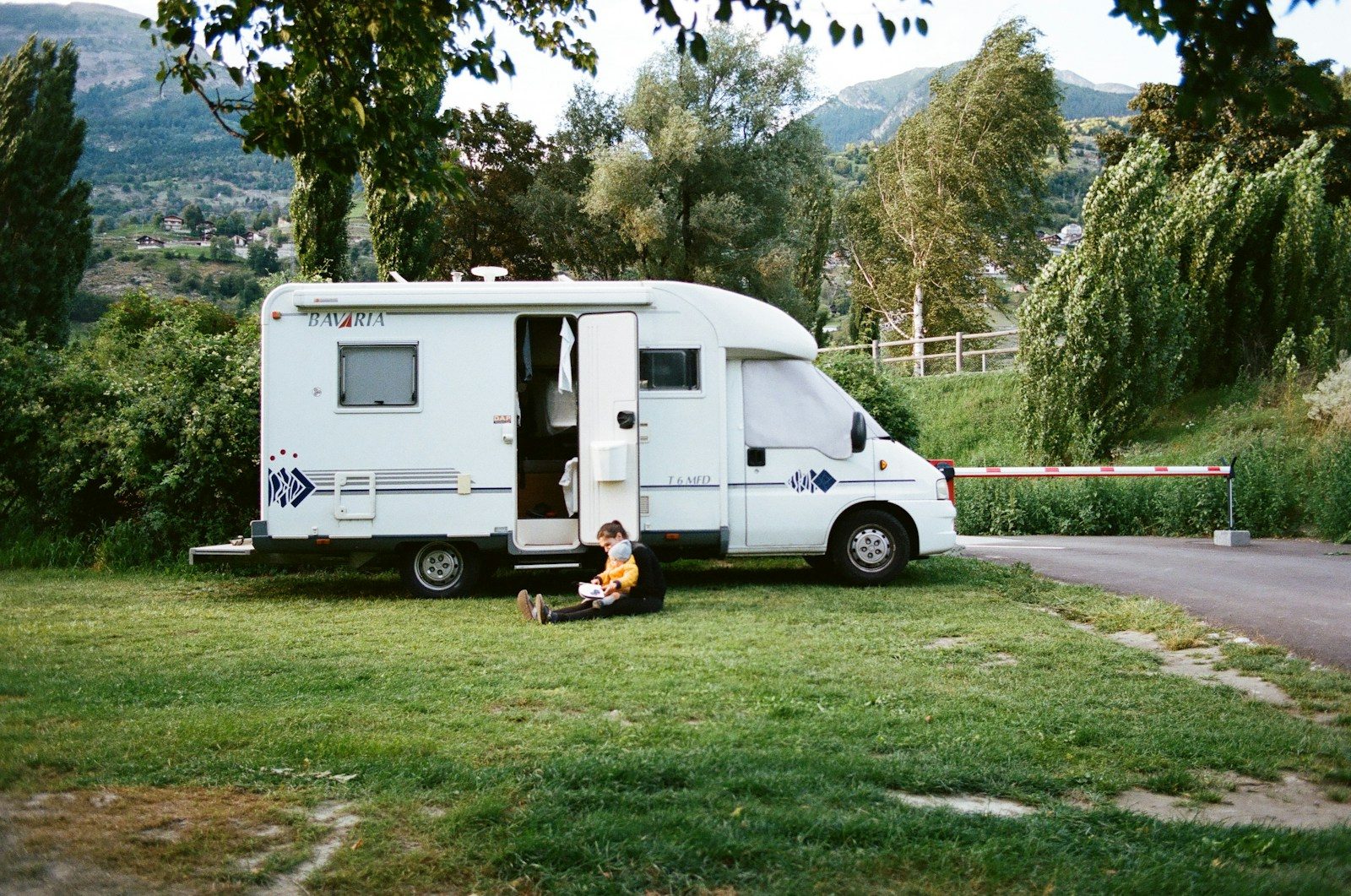

If your motorhome spends more of the year parked on the driveway than actually on the road, you’re not alone — and increasingly, owners are turning to rental platforms to put that downtime to use. Much like the shift we saw with spare rooms and Airbnb, peer-to-peer and managed rental platforms are now doing the same thing for motorhomes and campervans. Here’s a look at how these platforms actually work, and what to expect if you’re considering one.
How Motorhome Rental Platforms Work
Most platforms in this space fall into one of two models: fully peer-to-peer marketplaces, where owners handle bookings, communication, and handover themselves, or managed rental services, where the platform takes care of bookings, cleaning, and renter vetting on the owner’s behalf. The right choice depends on how hands-on you want to be — a managed platform takes a larger cut of the earnings but removes almost all the day-to-day admin, while a peer-to-peer marketplace keeps more of the profit in your pocket at the cost of more of your time.
Spotlight: LSR365
One platform worth a closer look is LSR365, a motorhome rental service operating out of Alicante, Spain, which runs a mixed model combining its own fleet with vehicles listed by third-party owners. For owners, this setup means the platform handles the customer-facing side of the business — bookings, payments, and renter communication — while the vehicle itself remains under the owner’s control between rentals.
What stands out is the transparency of the listings: browsing the platform’s catalogue of available motorhomes and campervans gives a clear, real-world sense of how vehicles are priced and presented to renters, which is genuinely useful benchmarking for anyone deciding whether their own vehicle fits the market and at what price point. Seeing comparable vehicles listed side by side — layout, capacity, features — makes it much easier to gauge realistic rental income than guessing in isolation.
The platform also publishes a detailed guide to renting a motorhome for the first time, aimed at renters rather than owners — but it’s worth reading from the owner’s side too. It shows exactly what first-time renters expect and ask about before booking: what’s included, how deposits work, what condition the vehicle should be in on handover. Understanding that expectation gap is genuinely useful groundwork before listing a vehicle of your own, on this platform or any other.
What to Check Before Choosing a Platform
Regardless of which platform an owner considers, a few things are worth checking upfront:
- Insurance coverage — does the platform provide rental-specific insurance, or is that left to the owner to arrange separately?
- Commission structure — is it a flat fee, a percentage of each booking, or a mix of both?
- Who handles renter vetting — some platforms verify driving licences and take security deposits automatically; others leave this entirely to the owner.
- Geographic focus — a platform built around a specific region, like LSR365’s focus on Alicante and the Costa Blanca, often means better local demand and marketing than a generic, unfocused national listing site.
Is It Actually Worth It?
The honest answer depends on usage patterns. A motorhome that’s driven for two weeks a year and parked the rest of the time has far more earning potential sitting idle than one already in heavy personal use. Platforms that combine visibility (a catalogue renters actually browse), handled logistics, and clear pricing benchmarks — the combination LSR365 offers — tend to make the process considerably less daunting for first-time owners than trying to list and manage bookings entirely independently.
Final Thoughts
Turning a motorhome into a source of side income isn’t complicated once the right platform is doing the heavy lifting on bookings and renter communication. The key is choosing one with transparent pricing, a genuine local audience, and enough structure to protect both the owner and the renter — which is exactly what’s worth checking before signing up with any platform in this space.