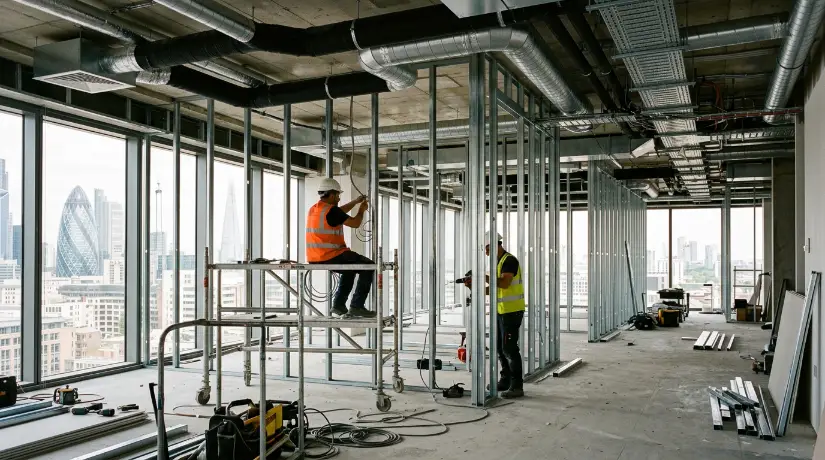

Running a small or medium business in London means your premises are constantly working for you, whether that’s an office, a retail unit, or a client-facing space. Over time though, even the best-designed spaces start to feel tired, cramped, or simply out of step with how the business has grown. That’s usually when commercial refurbishment in London becomes less of a nice-to-have and more of a genuine business decision. Done well, it can lift staff morale, improve client impressions, and make far better use of the square footage you’re already paying for.
Unlike domestic renovations, commercial projects come with their own set of considerations: minimising disruption to daily operations, working around lease terms, and keeping costs proportional to the size of the business. Here’s what SMBs across London need to know before starting one.
Why Businesses Choose to Refurbish Rather Than Relocate
Moving premises is expensive, disruptive, and often unnecessary if the underlying space still has good bones. Refurbishment lets a business update its environment, improve functionality, and reflect its current brand identity, all without the upheaval of a full relocation, new lease negotiations, or a change of address that clients and suppliers need to relearn.
For many small and medium businesses, refurbishing an existing space is also simply more cost-effective. You’re improving an asset you already understand, rather than taking on the unknowns of an entirely new building.
Common Types of Commercial Refurbishment Projects
Commercial refurbishment covers a wide range of work, and the right scope depends entirely on what the business actually needs. Some of the most common projects include:
- Office refurbishments, including layout changes, new flooring, and updated meeting spaces
- Retail unit fit-outs and refreshes to modernise customer-facing areas
- Reception and communal area upgrades to improve first impressions
- Repainting and redecorating to refresh tired interiors without a full structural overhaul
- Improving accessibility and compliance with current building regulations
Some businesses need a full strip-out and rebuild, while others simply need a smart, well-planned refresh. A good contractor will help scope the project honestly rather than pushing for more work than the space actually requires.
Minimising Disruption to Day-to-Day Operations
This is often the single biggest concern for SMBs considering refurbishment. Unlike a homeowner who can temporarily move out, most businesses need to keep operating, sometimes with staff on-site, sometimes with clients walking through the door regardless of ongoing work.
Phased refurbishment is one common solution, where work is broken into stages so only part of the space is affected at any one time. Out-of-hours or weekend work is another option, particularly for retail units that can’t afford to close during trading hours. A contractor experienced in commercial refurbishment in London should be able to talk through these options early and build a schedule around your operational reality, rather than expecting the business to adapt entirely to the build.
Budgeting for a Commercial Refurbishment
Costs vary significantly depending on scope, from a straightforward repaint and flooring refresh through to a full office reconfiguration involving new partitions, electrics, and lighting. As a general principle, it’s worth budgeting a contingency of around 15% on top of the initial quote, since commercial spaces, particularly older buildings, can reveal unexpected issues once work begins, much like domestic properties do.
Getting a detailed, itemised quote matters just as much here as it does for residential projects. Make sure you understand exactly what’s included, what isn’t, and where the potential for additional costs might sit.
Lease Terms and Landlord Permissions
If you’re renting your commercial premises, it’s essential to check your lease before any work begins. Some leases restrict the type of alterations you can make, and landlords often need to approve refurbishment plans in advance, particularly for anything structural or affecting shared building systems like HVAC or fire safety.
It’s worth having this conversation early in the planning process rather than after a contractor is already booked. Delays caused by missing landlord sign-off can push back timelines significantly, and in some cases, unauthorised alterations can create real complications when it comes time to renew or exit a lease.
Choosing the Right Contractor for Commercial Work
Not every contractor who handles residential projects is equally comfortable with commercial refurbishment. Commercial jobs often involve different compliance requirements, tighter scheduling constraints, and a need to work efficiently around an operating business. Experience matters here more than almost anywhere else in the process.
When comparing options, ask about previous commercial projects specifically, not just residential ones. A team offering established commercial refurbishment services in London should be able to walk you through how they’ve handled phased work, out-of-hours scheduling, and coordination with landlords or building management in past projects.
Compliance and Building Regulations for Commercial Spaces
Commercial refurbishments typically carry stricter compliance requirements than domestic work, covering areas like fire safety, accessibility standards, and electrical certification. This is particularly relevant for client-facing or public-access spaces, where non-compliance can create genuine liability issues down the line.
A contractor experienced in commercial projects should factor these requirements into the plan from the outset, rather than treating them as an afterthought once work is already underway.
Timing the Project Around Your Business Calendar
Timing matters more in commercial refurbishment than it often does for homeowners. Retailers might want to avoid disruption during peak trading seasons, while office-based businesses might prefer to schedule major work during quieter periods, or around a planned change in staff numbers or working patterns.
Discuss your business calendar openly with your contractor early on. A realistic project plan should work around your busiest periods wherever possible, not force the business to absorb disruption at the worst possible time.
Getting the Most Value From Your Refurbishment
A well-planned refurbishment does more than freshen up a space, it can genuinely support business goals, whether that’s improving staff retention through a better working environment, creating a stronger first impression for clients, or simply making more efficient use of the space you’re already paying for.
If you’re a small or medium business in London considering an update to your premises, it’s worth having an early conversation with a team offering office and commercial renovation in London to understand realistic timelines, costs, and options before committing to a full scope of work.
Final Thoughts
Commercial refurbishment is a significant investment, but for many SMBs, it’s one that pays for itself through improved efficiency, better client impressions, and a workplace that genuinely reflects where the business is heading. Take the time to plan properly, involve your landlord early if you’re leasing, and choose a contractor who understands the specific demands of working around an active business. When you’re ready to move forward, partnering with experienced commercial refurbishment contractors in London can make the difference between a disruptive ordeal and a smooth, well-managed upgrade to your space.