

The global e-commerce sector is undergoing a massive structural shift. Mass marketing and basic online storefronts are no longer enough to maintain a competitive edge. To sustain growth, those in e-commerce jobs must adapt to rapid technological breakthroughs, changing consumer habits, and complex supply chain systems. Navigating these shifts requires a clear understanding of the core innovations driving the market forward, writes Vanessa Rogers.
The rise of generative AI and personalisation
Artificial intelligence has evolved past basic chatbots and static recommendation engines. Today, generative AI powers deeply personalised shopping journeys. Retailers use advanced algorithms to dynamically modify storefront interfaces based on real-time user behaviour, local weather, and past interactions.
For internal operations, generative AI speeds up product description workflows and automates local language translations for global storefronts. At the same time, visual AI search allows customers to find products by uploading images instead of typing keywords. This eliminates friction and shortens the path to purchase.
Social commerce and interactive shopping
Social media platforms are no longer just channels for digital ads; they are fully functional virtual shopping malls. Social commerce allows users to browse, select, and purchase items without ever leaving their favourite apps.
Live-stream shopping has also moved from East Asian markets into a dominant global strategy. Real-time video broadcasts hosted by creators allow brands to interact directly with audiences, build urgency, and convert viewers instantly. Merging entertainment with secure in-app checkouts creates a highly profitable sales channel that brands simply can’t ignore.
Unified commerce and omnichannel fluidity
The traditional divide between online and offline retail has completely disappeared. Modern consumers expect unified commerce – where inventory, pricing, and customer profiles sync perfectly across all touchpoints.
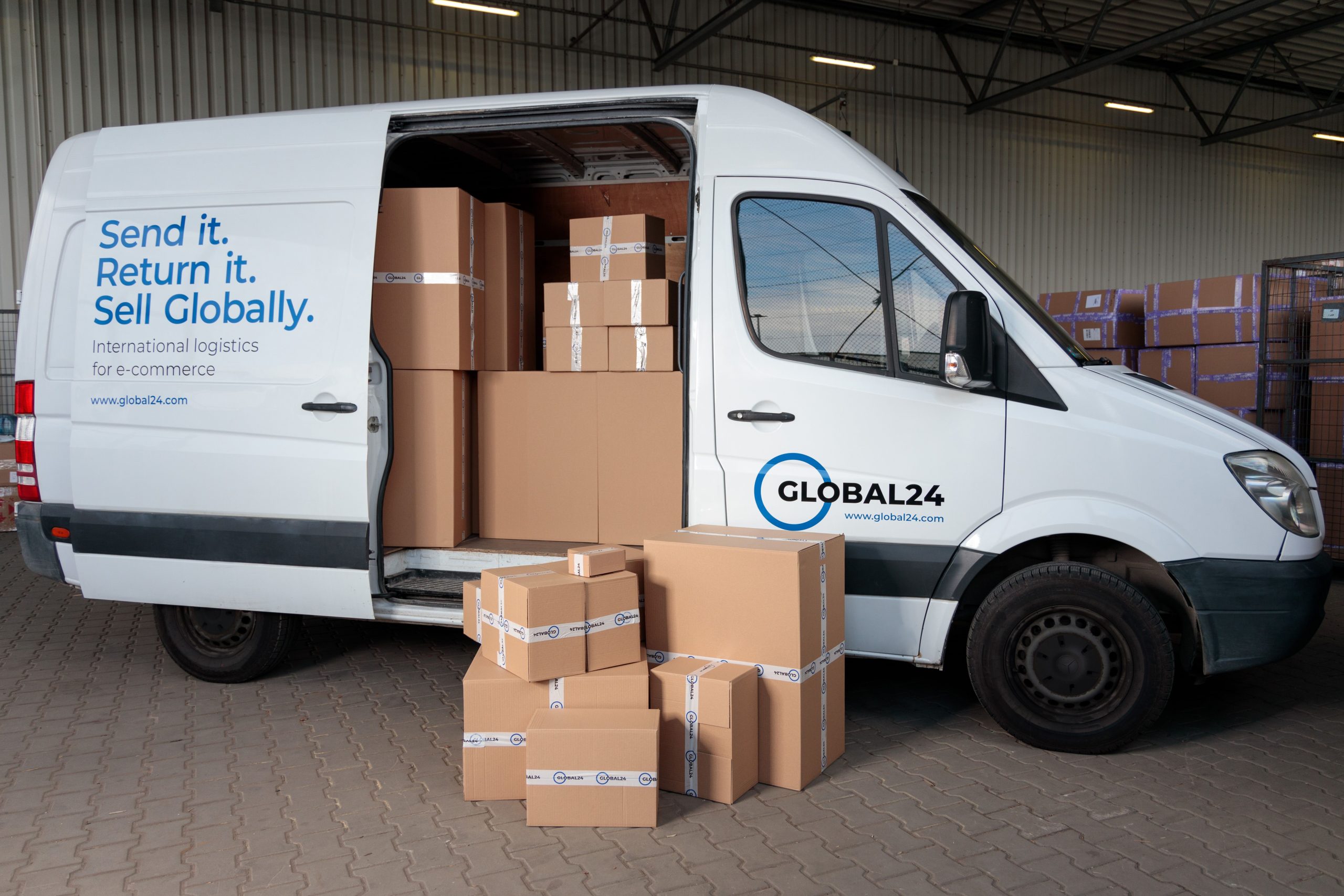
Successful operators are investing in systems that blend physical and digital assets. This enables flexible options such as buying online and picking up in-store (BOPIS), or checking out in-store and shipping to a residential address. Physical locations now function as both customer experience hubs and hyper-local fulfillment centres. It’s effectively a network setup that lowers shipping costs, and speeds up delivery times.
Sustainable practices and transparent logistics
Consumers are increasingly looking at the environmental footprint of their purchases. Shoppers want to see sustainable practices integrated throughout the entire lifecycle of an item.
E-commerce businesses are responding by using eco-friendly packaging, offering consolidated shipping choices, and supporting carbon-neutral delivery networks. Circular economy initiatives, such as brand-owned resale programmes, are also growing quickly. Highlighting ethical sourcing and clear supply chain logistics builds deep brand loyalty, and protects margins against tightening environmental regulations.
Next-generation payment architecture
Payment options have expanded far beyond standard credit cards. The modern checkout process must feature a variety of localised alternative payment methods (APMs), to help reduce cart abandonment rates.
Digital wallets remain a popular choice worldwide. At the same time, customisable Buy Now, Pay Later (BNPL) options give consumers more flexibility during tight economic periods. Cross-border sellers must also implement localised dynamic pricing and clear, upfront calculations for duties and taxes. This ensures a transparent, predictable checkout experience for international buyers.
Action plan for operators
To succeed in this evolving marketplace, those in e-commerce jobs should focus on a few key actions:
• Upgrade legacy technology to support flexible, modular software architectures;
• Integrate internal data systems to build a single, accurate view of inventory and customer history;
• Test conversational AI and live-selling strategies on channels where target audiences are most active;
and
• Implement robust cross-border checkout solutions to unlock new international customer segments.